MATERIALS
DIAMONDS
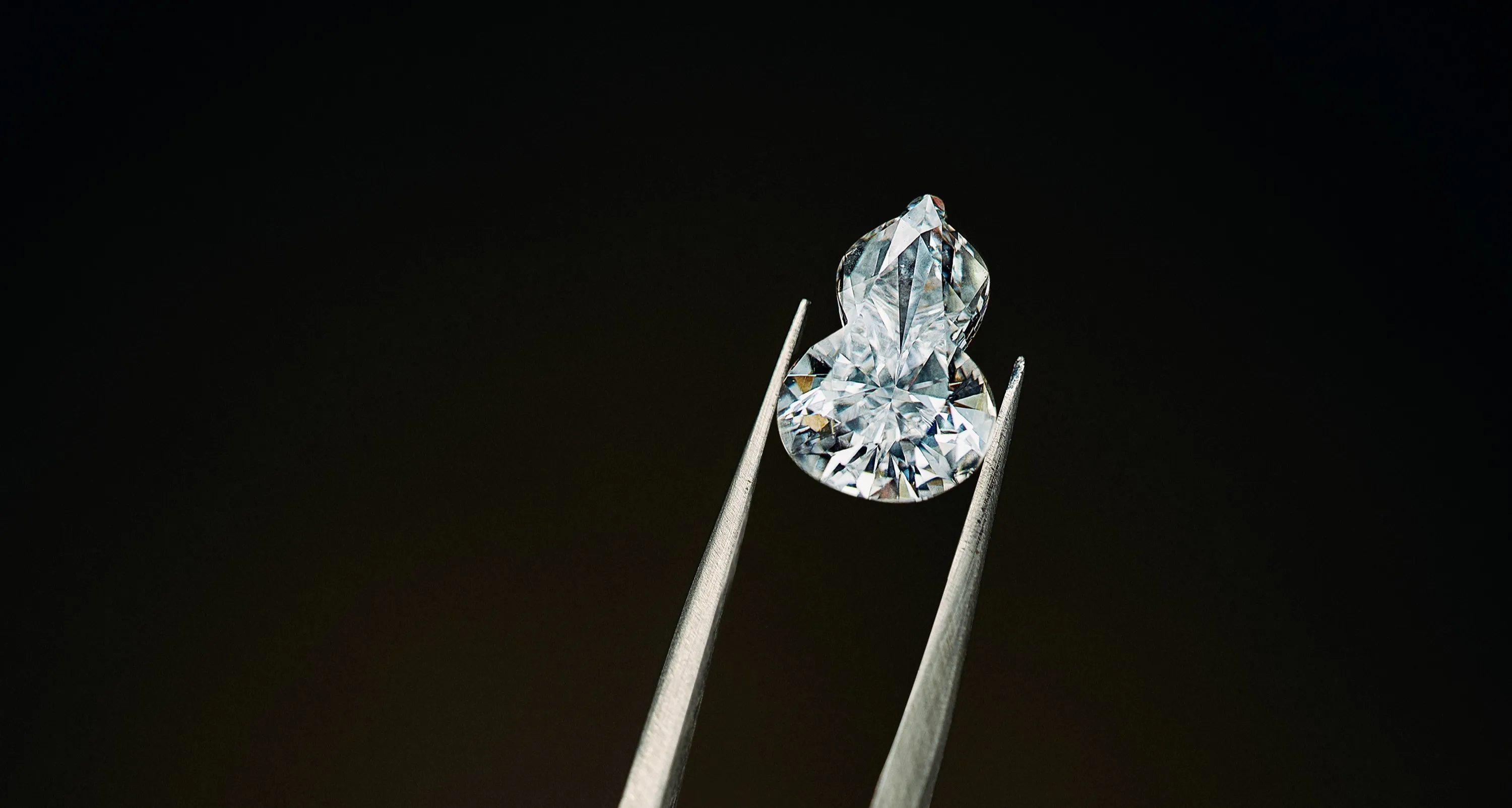
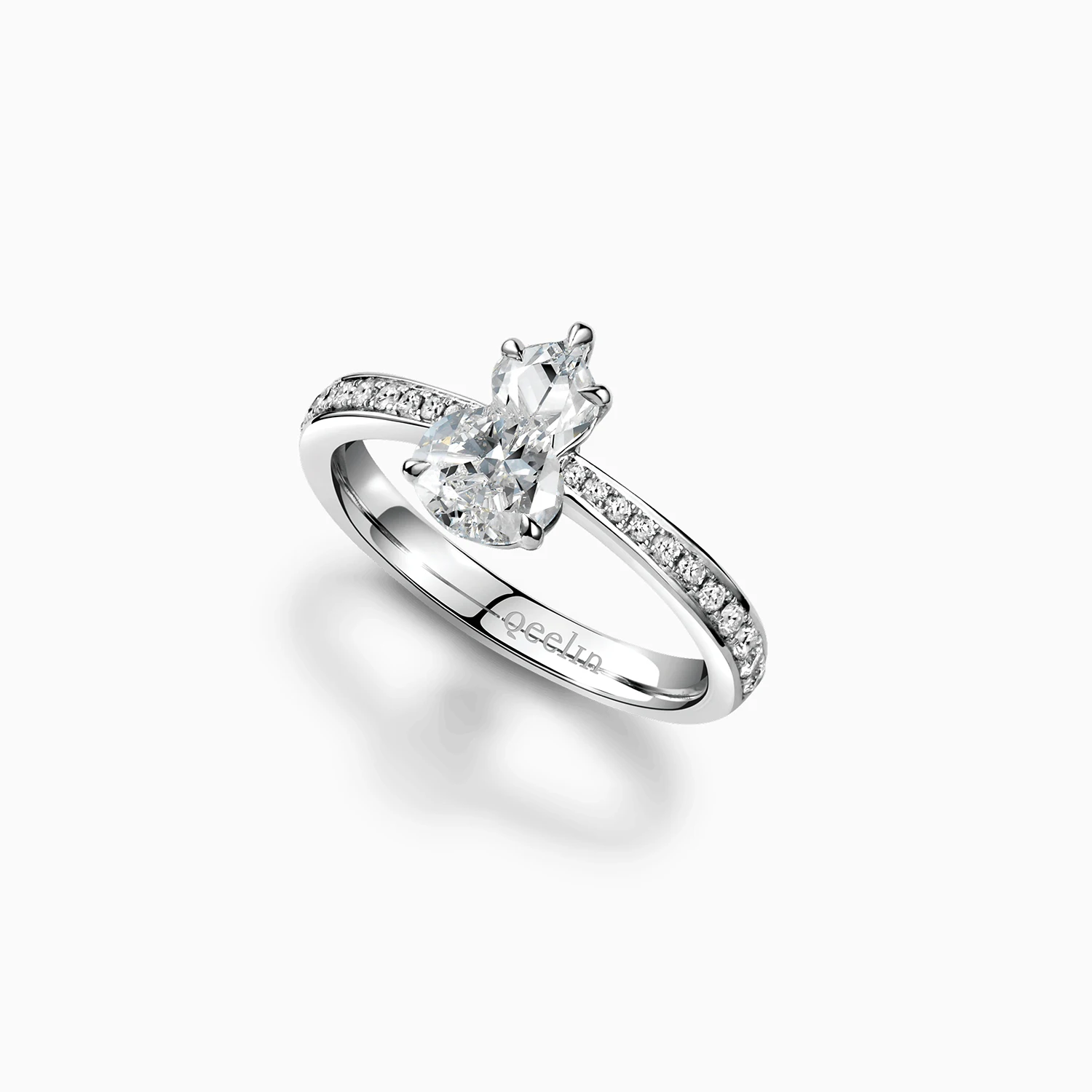
Diamonds symbolize strength, purity, and eternity, embodying wealth and prosperity. They are known for their healing and protective properties. To many, it is the perfect stone to express eternal love. Representing perfection, the diamond is highly esteemed and valued among all precious stones. It is the most often used gem in Qeelin’s creations.
The word diamond comes from the Greek “adamas” meaning indestructible. Indeed, diamond is the hardest natural substance on the planet, graded 10 on the Mohs scale. Most natural diamonds have ages between 1 billion and 3.5 billion years and were formed at depths between 150 and 250 kilometres in the Earth’s mantle.
The 4Cs of diamonds, colour, clarity, cut and carat, is the standard for evaluating diamonds. Qeelin diamonds are selected with the utmost care according to this standard.
YELLOW DIAMOND
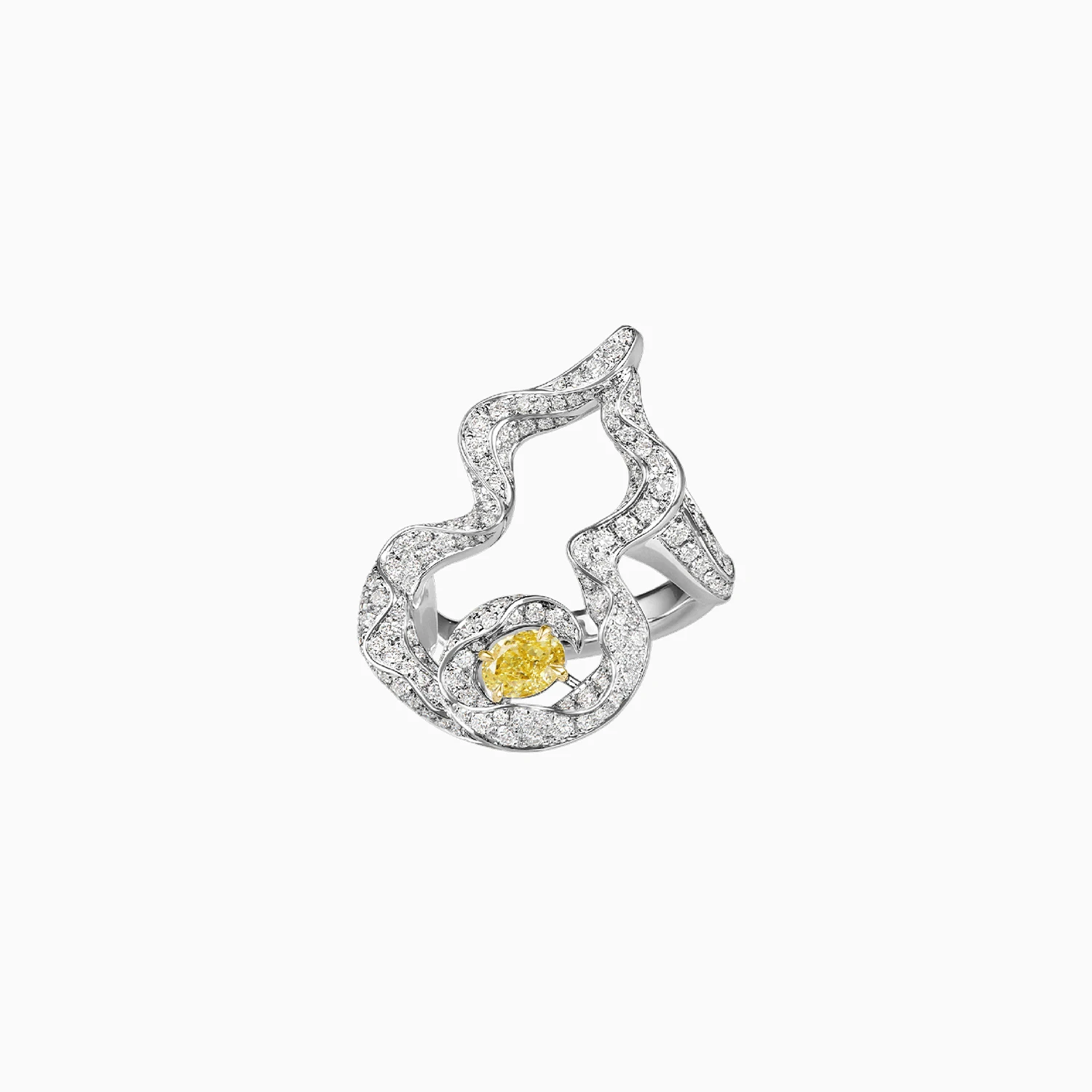
In Chinese culture, the colour yellow is often associated with the Earth element, representing stability, nourishment, and growth. Yellow is also traditionally linked to royalty, as it was reserved exclusively for the Emperor’s use.
Yellow diamonds are part of the diamond family, distinguished by their vibrant yellow hue. Yellow diamonds get their colour through the presence of nitrogen during the formation of the stone, while white diamonds have little to no nitrogen, and therefore do not show colour. The yellow colour is evaluated according to a scale that goes from light to fancy vivid yellow. Rare and beautiful, yellow diamonds are the most popular of all the natural fancy colour diamonds.
RUBY
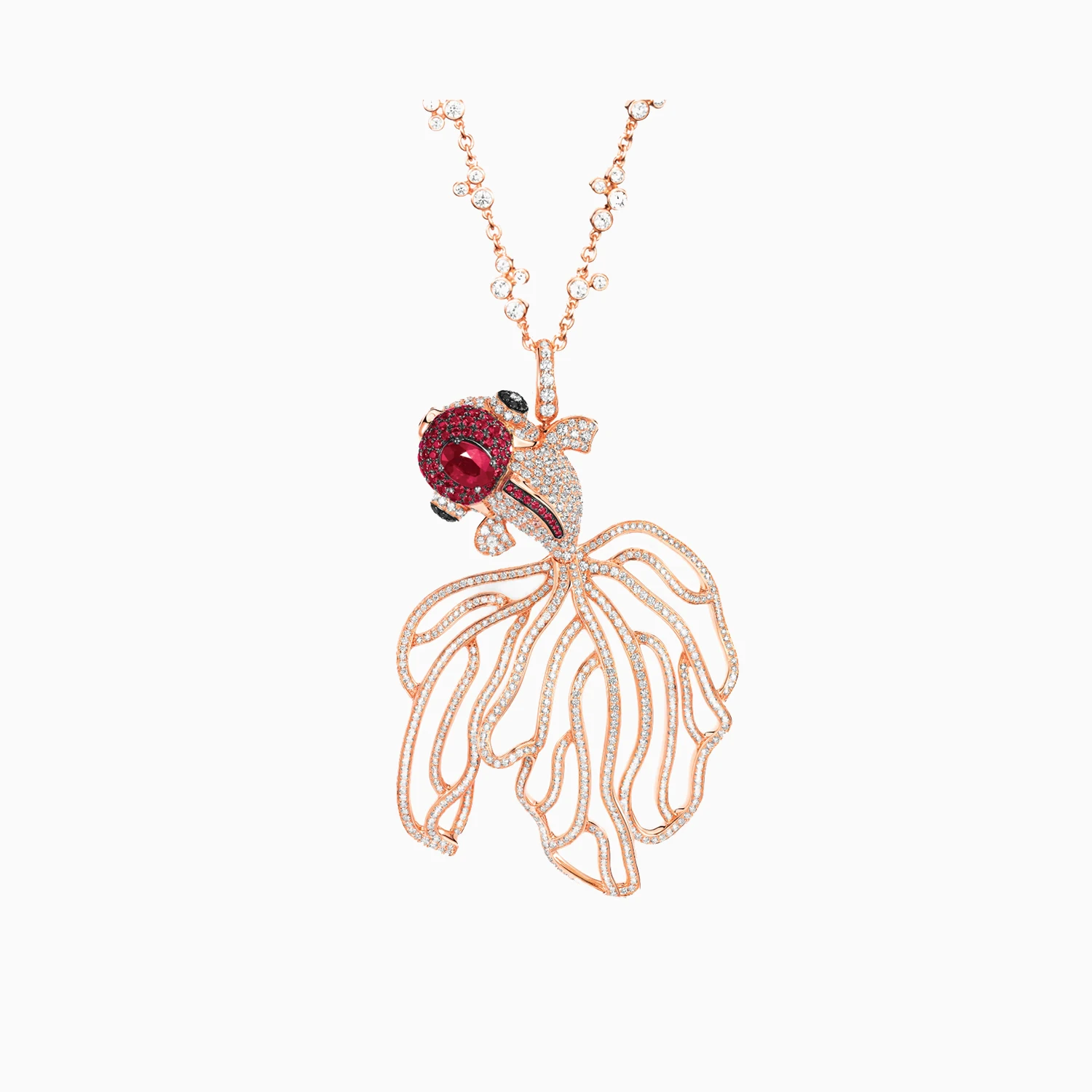
Rubies, symbolizing prosperity, passion and good fortune, encapsulate vitality and success. They have been highly valued throughout history. Chinese noblemen decorated their armour with rubies for protection and placed these gems under building foundations to ensure luck. The ruby’s red hue symbolizes passion, making it an ideal romantic gift.
Scientifically speaking, rubies and sapphires are members of the same corundum family, they just differ in colour. When a corundum is red, it is classified as a ruby, “rubens” meaning red in Latin. The red colour is due to the presence of chromium. Together with the sapphire, the ruby is the second hardest stone after the diamond (9 on the Mohs scale).
EMERALD
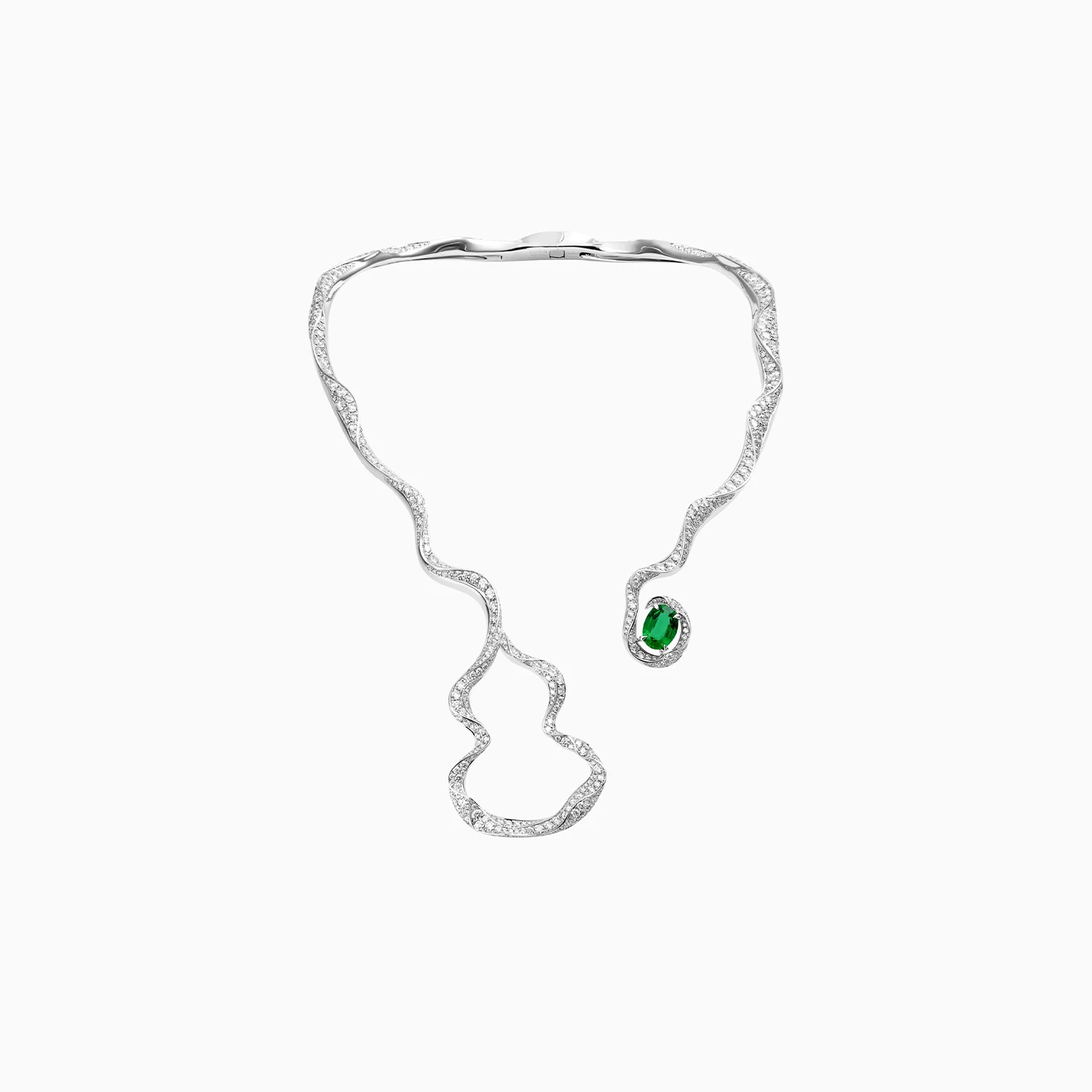
Emerald is a symbol of loyalty, peace and security, making it not only a beautiful gem to wear, but also a meaningful jewellery gift to be treasured. Its vivid green hue represents growth and renewal, making it a gem that captured hearts and minds through the ages. Legend has it that wearing emerald gives the power to make one wiser.
Emerald is the most precious beryl. It is green because of the presence of chromium, vanadium and/or iron. The emerald owes its name to the Ancient Greek “smaragdos”, meaning green gem. These precious stones are rare because their formation requires exceptional geological conditions. They often contain natural inclusions, sometimes described as “Jardins” (meaning “gardens” in French), due to their mossy appearance. With a hardness of 7.5–8 on the Mohs scale, emeralds should be handled with extra care.
SAPPHIRE
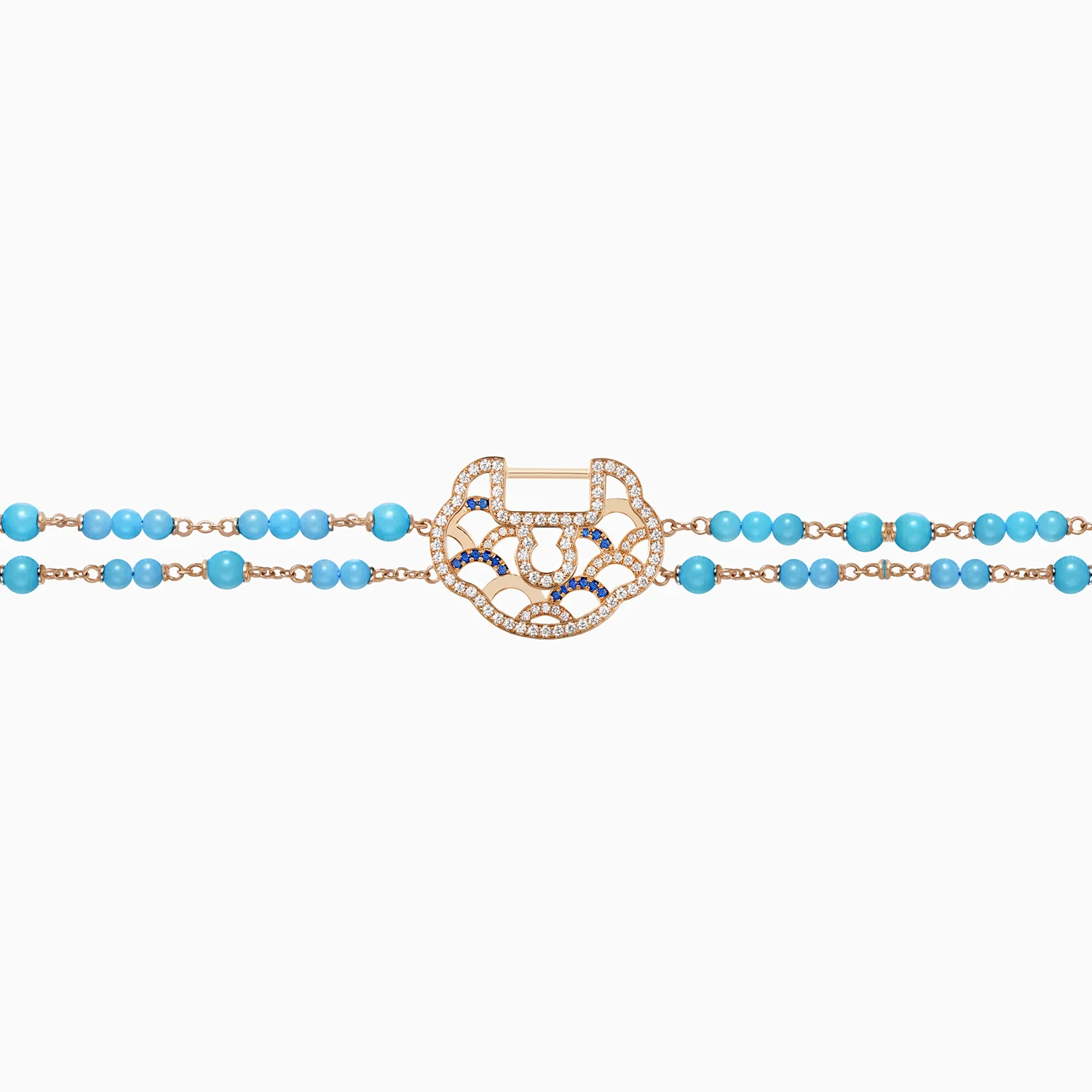
In Chinese tradition, sapphire is cherished as a stone of wisdom, harmony, and spiritual refinement. The sapphire, with its celestial hue echoing the vastness of the sky and the depth of still waters, symbolizes clarity of mind, moral integrity, and a connection to heavenly virtue. It has long been believed to invite divine protection, dispel discord, and foster inner stillness. Meanwhile, coloured sapphires, graced with hues of pink, yellow, orange, green, and purple, are seen as expressions of life’s joyful diversity. Together, all sapphires are regarded in Feng Shui as stones that balance ‘qi’, calm turbulent energies, and illuminate the path toward emotional and spiritual equilibrium.
Scientifically speaking, rubies and sapphires are members of the same corundum family, they just differ in colour. When a corundum is blue, it is classified as a sapphire. Its name is derived from the Latin word “sappheiros” meaning blue-coloured stone. Indeed, sapphires are commonly blue due to the presence of titanium and iron, but they can be found in nature with a wide range of colours: from deep blue (Royal blue) to blue grey (Ceylan), purple, orange, yellow and pink orange (known as Padparadscha, meaning lotus flower in Sinhalese). Together with the ruby, the sapphire is the second hardest stone after the diamond (9 on the Mohs scale).